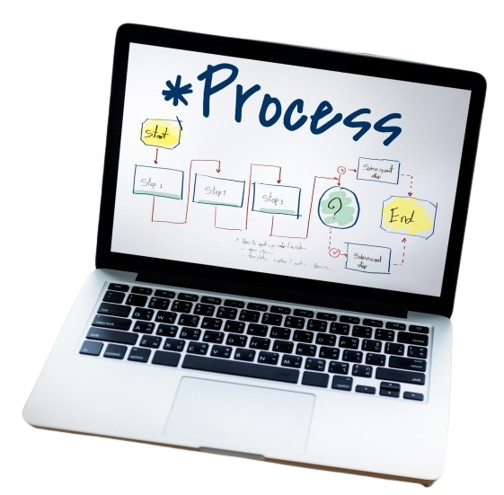
1. What is Software Development Process?
The software development process is a structured approach used to design, build, test, and maintain software applications. It helps development teams organize workflows, manage resources, and ensure software quality.
This process is commonly known as the Software Development Lifecycle (SDLC) and includes several stages that guide the project from idea to deployment.
The main goals of the software development process are:
A well-defined development process helps companies create reliable and efficient digital products.
Importance of Software Development Lifecycle
The software development lifecycle is important because it creates a clear roadmap for the entire project. Without a proper process, software projects can face delays, technical issues, and increased costs.
A structured development process helps in:
Businesses today prefer companies that follow agile and scalable software development methodologies.
Step-by-Step Software Development Process
Step 1: Requirement Analysis
The first stage of software development is understanding the business requirements and project goals. Developers, designers, and stakeholders discuss the features, target audience, and expected outcomes.
This stage includes:
Requirement analysis is one of the most important stages because it forms the foundation of the project.
Step 2: Planning and Research
After collecting requirements, the development team creates a project plan and selects suitable technologies.
This stage includes:
Planning helps reduce development risks and improves workflow efficiency.
Step 3: UI/UX Design
The design phase focuses on creating user-friendly interfaces and smooth user experiences.
Designers create:
A good UI/UX design improves customer engagement and application usability.
Step 4: Software Development
This is the core stage where developers write the actual code and build application functionality.
The development process usually includes:
Popular technologies used include:
 React.js
 Node.js
 Python
 MongoDB
Developers follow coding standards to ensure scalable and secure software solutions.
Step 5: Testing and Quality Assurance
Once development is completed, the software is tested to identify bugs, performance issues, and security vulnerabilities.
Testing includes:
Quality assurance ensures that the software works properly before launch.
Step 6: Deployment
Once development is completed, the software is tested to identify bugs, performance issues, and security vulnerabilities.
Testing includes:
Quality assurance ensures that the software works properly before launch.
Step 7: Maintenance and Support
Software development does not end after deployment. Continuous maintenance is required to improve performance, add new features, and fix technical issues.
Maintenance services include:
Regular maintenance ensures long-term software stability.
Best Practices for Successful Software Development
Businesses should follow modern development practices for better results.
Important Best Practices
Following these practices improves project performance and reduces future issues.